
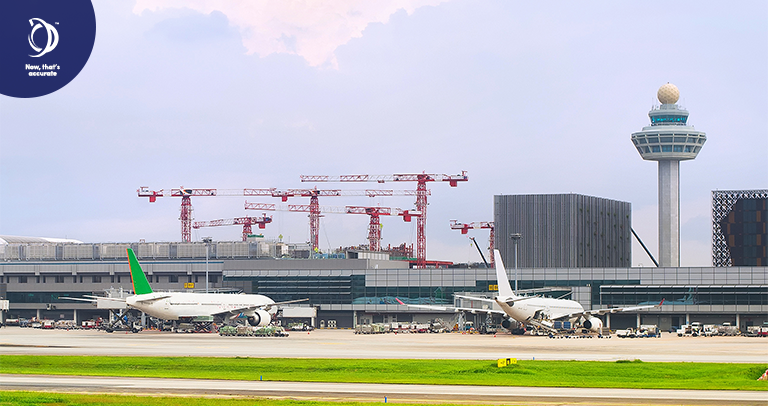
Airports are among the most complex operational environments in the world. Managing vehicles, equipment, and runway safety require real-time airport operations, reliable airport asset tracking, and intelligent systems designed for aviation environments. To operate safely and efficiently, airports need clear visibility across all ground activities and assets. Overdrive IoT is an IoT technology company with deep expertise in aviation operations, delivering solutions that support ground support equipment tracking, airport fleet management, and runway safety. Our aviation solutions are deployed at major international airports, including Changi Airport, where real-time operational visibility is critical to safety, capacity, and efficiency. By transforming operational data into actionable insights, we help airports improve efficiency, safety, and decision-making across the entire airfield. With indoor and outdoor asset tracking, airport teams gain full airport operational visibility, including assets located in tunnels, cargo halls, baggage handling areas, and open airside zones. This unified approach replaces fragmented systems with a single airport-wide tracking solution, allowing operators to: At Changi Airport Group, this approach enables continuous monitoring of thousands of vehicles and non-motorised assets, supporting safer airside operations and more efficient aircraft turnaround. This GSE tracking system supports more efficient operations while maintaining high safety standards across the airfield. In high-traffic airport environments such as Changi Airport, Runway Deconflict enhances situational awareness by identifying potential conflicts early and enabling timely coordination between airside teams. By improving response time and visibility, Runway Deconflict helps airports achieve: When combined with ground support equipment tracking, Runway Deconflict ensures that airside movements remain controlled, coordinated, and safe. Together, Ground Support Equipment Tracking and Runway Deconflict enable a smarter approach to aviation ground operations technology, supporting both daily real-time airport operations and long-term planning. Track vehicles, GSE, and equipment across the entire airport environment using a centralised platform designed for aviation use. Optimise fleet usage with real-time insights into asset availability, movement, and operational status. Access live operational data to support faster decision-making and coordinated ground activities. Maintain visibility of assets regardless of location, eliminating blind spots across airside and covered areas. For modern airports, having real-time airport operations, smart tracking, and proactive safety systems is no longer optional. Solutions such as Ground Support Equipment Tracking and Runway Deconflict provide a GSE tracking system, an airport-wide tracking solution, and the tools required for full airport operational visibility. With Overdrive IoT trusted by leading airports such as Changi Airport Group, airport operators can optimise airport fleet management, enhance ground support equipment tracking, and operate safer, more efficient, and fully connected airside environments. Discover how our IoT-driven aviation solutions can transform your airport operations today.
Ground Support Equipment Tracking & Runway Deconflict: Enabling Real-Time Airport Operations
Introduction
Ground Support Equipment Tracking: Real-Time Visibility Across the Airfield
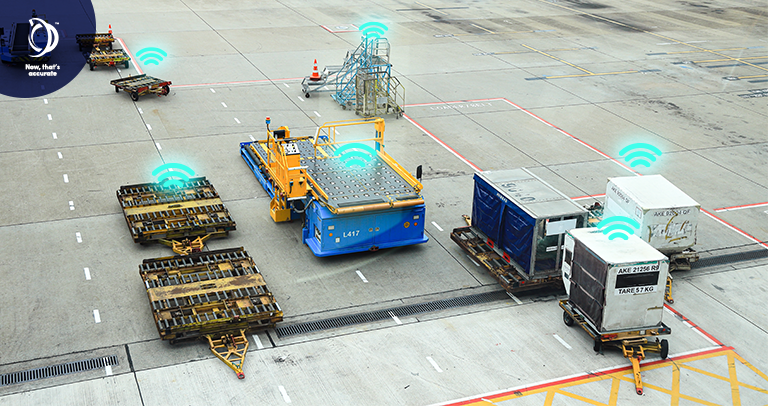 Ground Support Equipment Tracking is a core capability of Overdrive IoT’s airport solutions. It provides real-time tracking of motorised and non-motorised GSE, vehicles, and critical assets across the airport, enabling effective airport asset tracking in both indoor and outdoor environments.
Runway Deconflict: Strengthening Runway Safety
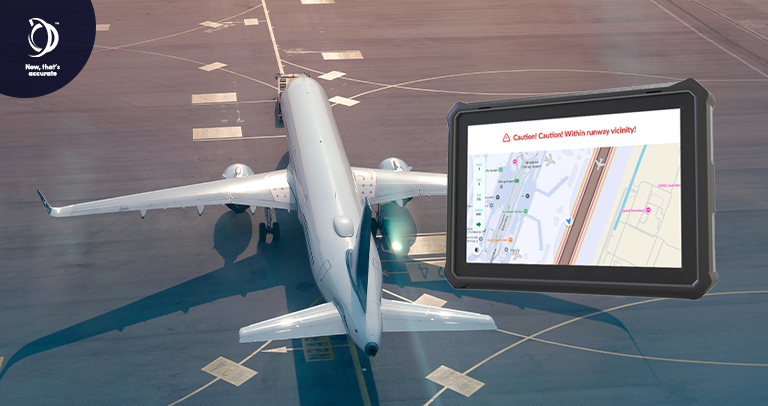 Runway Deconflict focuses on preventing unsafe interactions between vehicles, equipment, and active runway areas. It continuously monitors movements near runway zones and supports early intervention to reduce the risk of runway incursions.
How These Capabilities Improve Real-Time Airport Operations
1. Airport Asset Tracking
2. Airport Fleet Management
3. Real-Time Airport Operations
4. Indoor and Outdoor Asset Tracking
Conclusion


