Why Most “Tracking Systems” Don’t Actually Give Visibility
Having the data isn’t the same as having the answer
Introduction
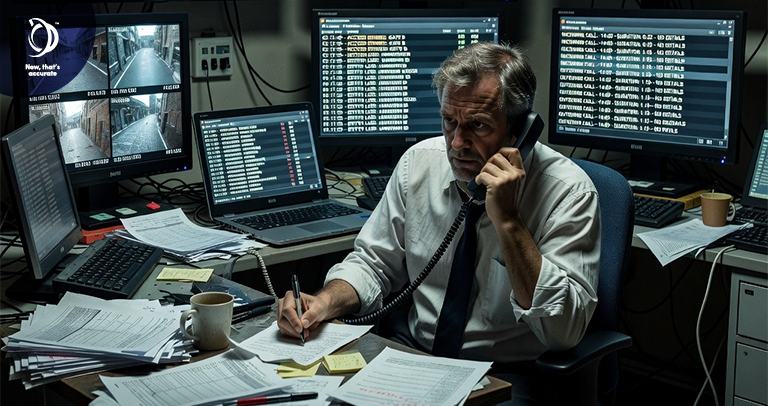
Real-time visibility is essential for modern operations, yet many businesses still struggle to access accurate information when they need it most. It’s 4pm and someone on the operations floor needs to know where a vehicle is. There’s a GPS platform for that. There’s also CCTV, an access log, and a spreadsheet someone updates “when they get a chance.” And yet the fastest way to get an answer is still to call the driver.
That moment repeats itself across most organisations, dozens of times a day, in different forms: “Has it arrived?” “Who last used it?” “Is it still on site?” Despite genuine investment in tracking technology, these questions still get answered with a phone call, a message, or a walk down the hall.
That’s the gap. The tools that were supposed to remove manual checking are, in practice, just another place to look. Tracking systems collect data. Visibility is something else, the ability to get a real-time answer without having to go hunting for it.
What Is Real-Time Visibility?
Real-time visibility is the ability to monitor assets, vehicles, equipment, and personnel through one connected platform. Unlike traditional tracking systems, it provides live operational insight, automated alerts, and immediate access to information, enabling faster and more informed decision-making.
Tracking Systems vs. Real-Time Visibility
While tracking systems are built to record locations, movements, and activity logs, they do not always provide the context needed for immediate decision-making. Visibility is about what you can do with that in the moment, a complete, real-time view that’s centralised, easy to access, and immediately actionable.
As a result, tracking remains passive. Teams collect the data, but they still need to interpret it before making decisions. Someone still has to find it, interpret it, and take action.
The Challenge of Fragmented Systems
Most organisations use several tracking tools at the same time. These often include GPS platforms, CCTV systems, RFID or BLE asset tags, and manual spreadsheets. While each system performs its own function well, they generate separate streams of information using different formats and timelines.
When teams need an answer, they often check multiple platforms. They manually cross-reference data, confirm information through phone calls or messages, and piece everything together before making a decision.Thus, delayed updates prevent teams from acting quickly, and fragmented insights slow decision-making. As operations scale, that gap becomes even wider, affecting productivity and decision-making speed.
What Real-Time Visibility Looks Like
A real-time operational visibility platform brings GPS, IoT sensors, and operational data together into one connected system providing real-time tracking of assets, vehicles, and personnel, a centralised dashboard, automated alerts when something is delayed or operating outside normal conditions, and historical data for analysis. With everything in one place, there is no need to search for information because the answer is already available in real time.
How Overdrive Enables Real-Time Visibility
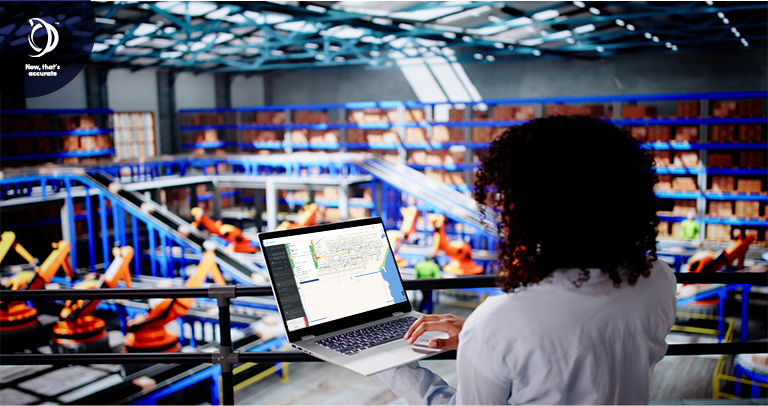
Overdrive replaces fragmented systems with one connected platform. It brings GPS, IoT sensors, and existing tracking technologies together into a single ecosystem, giving teams one live operational view instead of multiple disconnected systems.
With Overdrive, organisations gain:
- One dashboard for complete operational visibility, eliminating the need to switch between multiple platforms.
- Real-time updates across every tracked asset and operational activity.
- Automated alerts the moment something requires attention.
- Actionable insights that support faster and more informed operational decisions.
The result is a shift from reactive verification, where teams constantly check and confirm information, to proactive management, where they know what is happening as it happens.
Conclusion
Having more tracking systems does not automatically create better visibility. When systems operate in silos, teams become responsible for connecting the information themselves, often through phone calls, messages, and manual checks.
Overdrive brings fragmented tracking together into a single platform that delivers real-time visibility across your operations.
Curious what that looks like for your operation? Get in touch with Overdrive for a personalised demonstration.


