
Introduction
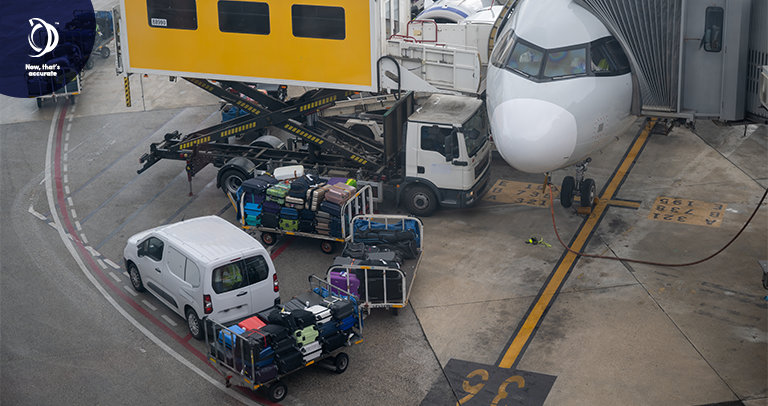
Airports operate in one of the most complex and time-sensitive environments in the world. Behind every successful takeoff and landing is a highly coordinated network of ground vehicles, support equipment, personnel, and aircraft all moving simultaneously across restricted operational zones.
From baggage handling and refueling to maintenance and pushback operations, airside teams work under constant pressure to maintain safety, efficiency, and turnaround performance.
However, as airport operations become busier and more interconnected, maintaining full visibility across the airside environment becomes increasingly challenging. Without accurate real-time coordination, even small communication gaps can lead to delays, operational inefficiencies, or serious safety risks.
The Complexity of Airside Operations
Unlike standard operational environments, airport ground operations involve multiple moving assets operating within shared high-risk spaces.
These include:
- Aircraft
- Ground support equipment (GSE)
- Service vehicles
- Maintenance teams
- Ground crew personnel
At any given moment, dozens of activities may be taking place simultaneously across taxiways, aprons, and restricted zones.
This creates a constant need for:
- Real-time coordination
- Accurate positioning
- Clear communication between teams
- Immediate response to changing conditions
Without proper visibility, operations can quickly become difficult to manage.
The Challenge of Coordinating Multiple Moving Assets
Many airport operations still rely on a mix of:
- Radio communication
- Manual reporting
- CCTV monitoring
- Independent tracking systems
While these tools provide partial visibility, they often operate separately and require teams to manually verify information.
This creates operational blind spots where:
- Vehicle locations are unclear
- Equipment availability is uncertain
- Ground crew movements are difficult to track
- Delays are only identified after they occur
In high-traffic environments, these gaps increase the risk of:
- Runway incursions
- Near misses
- Delayed turnaround times
- Inefficient resource allocation
Why Real-Time Visibility Matters
In airside operations, timing and awareness are critical.
Having access to real-time operational visibility allows airport teams to:
- Track vehicles and personnel instantly
- Monitor movement across restricted areas
- Improve coordination between departments
- Respond faster to incidents or delays
- Reduce operational uncertainty
This level of visibility helps teams make faster, more informed decisions while maintaining safer and more efficient operations.
Improving Runway Safety Through Smarter Coordination
Modern airside operations require more than basic tracking, they require connected intelligence.
By integrating real-time tracking technologies such as GPS, IoT sensors, and centralized monitoring platforms, airports can achieve:
- Live tracking of ground vehicles and equipment
- Automated alerts for restricted zone breaches
- Improved coordination between operational teams
- Faster response during emergencies or disruptions
- Better visibility across the entire airside environment
This reduces dependency on manual verification and allows teams to operate with greater confidence and control.
How Overdrive Supports Airside Operations
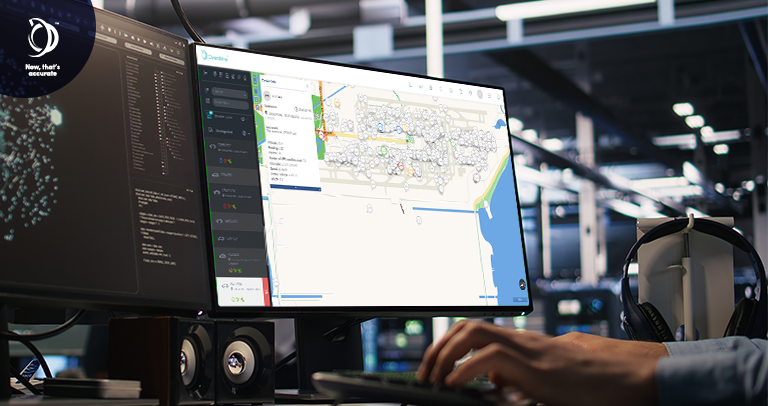
Overdrive provides a unified platform that enables real-time monitoring and coordination across airport ground operations.
By consolidating data from tracking devices, sensors, and operational systems into a single dashboard, Overdrive helps airport teams:
- Gain complete visibility of airside assets and personnel
- Monitor movement in real time
- Improve operational coordination
- Reduce delays and inefficiencies
- Enhance runway and ground safety
With centralised visibility and intelligent alerts, operations teams can make quicker decisions while maintaining high safety standards.
The Operational Impact
Improving visibility and coordination across airside operations can deliver measurable operational and financial benefits for airports and ground handling teams.
Studies across the aviation industry have shown that real-time tracking, AI-driven monitoring, and centralised operational visibility can help achieve:
- 4–12% reduction in aircraft turnaround time through improved coordination and reduced operational delays
- Up to 20% improvement in Ground Support Equipment (GSE) utilisation by reducing idle equipment and improving allocation efficiency
- 6% reduction in ground delays, leading to better on-time performance and smoother turnaround operations
- Lower operational costs through reduced idle time, fewer delays, optimised resource deployment, and reduced fuel wastage during turnaround operations
- Reduced risk of runway incursions and safety incidents through better situational awareness and real-time coordination
For large airports and airlines, even a small improvement in turnaround efficiency can translate into significant cost savings. Industry estimates suggest that a single minute of aircraft delay can cost airlines approximately USD $75–$100 per minute, depending on aircraft type and operational conditions.
Conclusion
Airside operations are only getting busier, and the margin for uncoordinated, manually verified activity is shrinking. Closing the visibility gap between ground vehicles, equipment, and personnel is no longer just a safety upgrade, it is an efficiency and cost advantage. Overdrive brings that visibility into one platform, giving airports and ground handling teams the real-time picture they need to move faster and more safely.
To see how Overdrive can improve visibility and coordination across your airside operations, get in touch for a demo.


